WHO advises South Sudan to be vigilant on polio, Mpox
The Undersecretary Ministry of Health said a World Health Organization (WHO) regional meeting advised South Sudan to strengthen surveillance and emergency response on the mpox and wild variant of polio virus increasingly reported in the region.
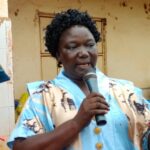
Dr. Harriet Pasquale said the advisory was issued at the 74th Regional World Health Organization Africa Committee meeting which he attended in August in the Brazzaville, Republic of the Congo.
Dr. Pasquale stated that the session, which brought representatives from African countries, shared the alarming new of wild variant of polio virus in the region.
The health official said this prompted the meeting to urge South Sudan and other countries to bolster surveillance to curb the polio outbreak.
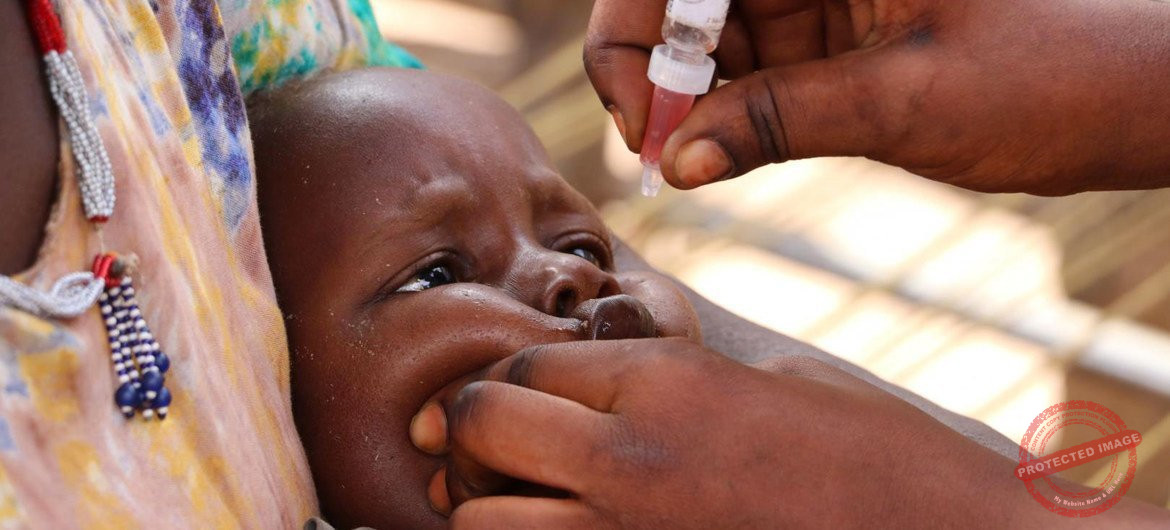
More importantly, Dr. Pasquale stated that the forum appeals to countries including South Sudan to fast-track immunization campaigns.
She added that the regional meeting also recommended strengthening emergency response to the current Mpox outbreak in the region.
“We discussed a lot of things from the emergency, the Mpox preparedness, and we discussed specific issues like we have a small concern in the region that is for polio eradication. We also managed to have a close meeting with the neighboring countries,” she said.
“The most important thing we discussed for South Sudan, was the issue of the polio and the emergency and how people should boost their emergency preparedness and also to see how we can boost our surveillance and to respond to the current polio situation in the region.”
In South Sudan, it is estimated that 33% of the children have not received vaccination against poliovirus type 2.
The country’s immunization coverage has been impacted by population movements and displacement, making it harder to reach the children who need vaccinations the most.
On mpox, the National Public Health Laboratory in Juba said the three suspected Mpox cases that it was screening have turned out negative, meaning South Sudan has no case of the infectious disease.
Dr. Kediende Chong, the Director General for Emergency Response at the Ministry of Health said the samples were collected from Eastern Equatoria’s Nimule, Central Equatoria and Warrap states.