

World Bank warns of difficult year, as S. Sudan experiences sharp hike in food prices
The World Bank Group has warned African leaders to brace for a challenging year as the Russia-Ukraine war continues.
On Sunday, the bank released its interim report and it shows that the war in Ukraine is hitting African countries through higher commodity prices as a result of disruptions to supply chains, and a reduced inflow of tourists to the continent – Report.
In South Sudan, the high cost of living is being felt; forcing families to weigh options on whether to send children to school or focus on their livelihood as food prices soar.
A hike in commodity prices leaves many to dig deeper into their pockets to put food on the table.
“I can’t manage, because things are not easy. It is not like before. As you know, let me say during the last time even the time of the pandemic, at least the thing was not expensive but this time, everything is increasing even no one knows the reason but we are just asking the government at least to see the solution because some families are suffering because of this high price of a commodity. We are just managing what we can manage because now you can’t manage everything”, David said
Several traders in traders told Eye Radio on Wednesday that some commodity prices have increased such as maize flour, powder milk, and cooking oil despite a steady exchange rate.
A 50 kg of maize flour is currently retailing between 16,000 t0 20,000 pounds, an equivalent of $37 to $50 dollars per bag. Cooking oil prices are also said to be on a rise too while a dollar continues to sell at between 420 to 430 SSP per dollar.
“These things are expensive, meat is expensive, flour is expensive, everything is expensive, and even sugar is expensive. Sugar has risen to twenty thousand and a small one at ten thousand”, said Poni
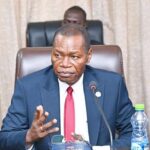
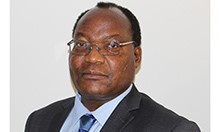
Dr. Taufila Nyamadzabo, the Executive Director for World Bank Group said that since the onset of the COVID-19 crisis, African countries’ rising debt level has become a growing concern across the continent.
He pointed out that African countries have recorded a 4.5% increase in debt due to additional loans related to the pandemic response.
Dr. Nyamadzabo said the World Bank and IMF have assisted 32 of the 38 African countries identified to have benefited from the G20 Debt Service Suspension Initiative with more than $5.0 billion.
However, he is concerned that the debt of low and middle-income countries is currently more than double the total governments’ revenue in 2019 and the highest of any developing region.
He said that countries that have requested debt relief under the G20 Common Framework for Debt Treatment beyond have experienced significant delays.
According to the World Bank, 60% of DSSI-eligible countries are at high risk of debt distress or are already in debt distress.
He said that as Africa continues to grapple with the COVID-19 fallout, millions of people on the continent are on the verge of extreme poverty and widening inequality within and between countries.
Dr. Nyamadzabo attributes the majority of these sufferings to the pandemic, war in Ukraine and continues to put pressure on constrained fiscal spaces, as more resources are needed for continued spending on health care and cushioning war-induced shocks.
In their efforts to sustain recovery, most African governments have relaxed health guidelines put in place to prevent the spread of the Coronavirus. However, there remain concerns about the spread of new mutations of the virus, such as omicron, which are believed.