


Low public confidence in banking, government borrowing drive cash shortage – Study
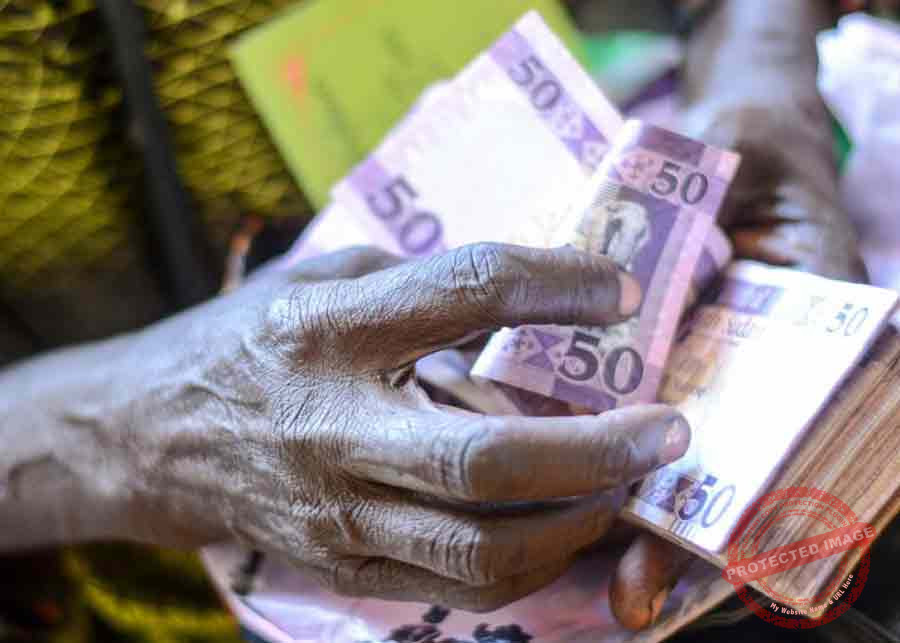
A new policy study has linked the ongoing cash shortage to declining public confidence and government deficit financing, rather than a shortage of banknotes alone.
The study, presented by the Director General of the National Bureau of Statistics (NBS), Dr. Augustino T. Mayai, and Dr. Aweng P. Majok, identifies falling oil revenues, government borrowing from the central bank and unpaid public salaries as key factors behind the crisis.
Titled Cash Everywhere, Trust Nowhere: The SSP Liquidity Crisis in South Sudan, the report says the shutdown of the Dar Blend pipeline in February 2024 reduced oil production from 186,000 to 58,000 barrels per day, cutting government revenue.
It says the Bank of South Sudan extended overdrafts to the Ministry of Finance and Planning to cover the revenue shortfalls.
According to the study, the overdrafts reached 410.5 billion South Sudanese pounds by June 2024, while reserve money expanded by 302 percent against a 10 percent target.
The authors recommend tighter controls on central bank lending to the government, greater transparency in monetary policy and an independent audit of government debts to the central bank.
They also call for regular publication of monetary data and a plan to settle outstanding government obligations.
The policy advisory was presented during a national workshop on the liquidity crisis organized by the Bank of South Sudan and the Ebony Center in Juba.