
Opinion: Urgent call to action: Protecting citizens and sovereignty in Magwi County
The unfolding situation in Magwi County, Eastern Equatoria, is a stark reminder of the immense challenges we face as a nation. It is both deeply troubling and profoundly unjust. Our people, already suffering from the debilitating effects of hunger and poverty, are now being subjected to displacement, harassment, and violence in their ancestral homeland.
Reports of the Uganda People’s Defense Forces (UPDF) beating, arresting, and harassing our citizens paint a grim picture of inhumanity and a blatant violation of South Sudan’s sovereignty. What is perhaps even more disheartening is the deafening silence from our government and other stakeholders in the face of these grave injustices.
South Sudan has endured years of conflict, hardship, and economic turmoil. Our people have shown remarkable resilience, yet the struggles continue to mount. Hunger and poverty have pushed many to the brink, and now, to witness our citizens being displaced from their lands—lands that have been passed down through generations—is utterly unacceptable. The actions of the UPDF are not just a violation of individual rights; they are an affront to our nationhood, our sovereignty, and our collective dignity.
The reported incidents in Magwi County represent more than just isolated acts of aggression; they symbolize a larger, more systemic issue that threatens the very fabric of our society. Displacement, especially in the context of ancestral lands, is not just about losing a physical space—it is about losing a sense of identity, community, and belonging.
These lands are more than just soil; they are the bedrock of our history, culture, and livelihoods. To displace a person from their ancestral land is to uproot their very existence, leaving them vulnerable not just physically, but emotionally and spiritually as well.
In the face of such egregious actions, the response—or rather, the lack thereof—from our government is deeply concerning. The primary duty of any government is to protect its citizens and uphold the nation’s sovereignty. When foreign forces are allowed to violate our borders and harm our people without consequence, it raises serious questions about the state’s capacity and willingness to fulfil its most basic responsibilities. The silence of our leaders, in this case, is not just disappointing; it is dangerous. It sends a message of impunity, emboldening those who seek to undermine our sovereignty and harm our people.
The situation in Magwi County is a clarion call for action—both at the national and international levels. Our government must step up to protect its citizens and defend the integrity of our borders. Diplomatic channels must be utilized to address these violations with the Ugandan government, ensuring that such incidents do not happen again. At the same time, there must be an unequivocal message sent to any foreign entity that violations of our sovereignty will not be tolerated under any circumstances.
However, the responsibility does not rest solely on the shoulders of our national government. The international community, including the United Nations, has a crucial role to play in this crisis. The United Nations was established to uphold international peace and security, to prevent the scourge of war, and to protect human rights.
The situation in Magwi County is precisely the kind of issue that calls for their intervention. We urgently call upon the United Nations to conduct a thorough investigation into the reported incidents and to hold those responsible accountable. Such an investigation would not only provide justice to the victims but would also serve as a deterrent to future violations. The role of the United Nations should not be limited to investigation and accountability. It must also include efforts to provide immediate support and protection to the affected communities.
Displaced persons must be provided with the necessary assistance to return to their homes safely and to rebuild their lives with dignity. Furthermore, the international community should work with the South Sudanese government to strengthen its capacity to protect its citizens and to ensure that such violations do not recur. The time for complacency is over. The situation in Magwi County is a test of our nation’s resolve and our commitment to the principles of justice, human rights, and sovereignty. It is a test of our leadership, our institutions, and our society as a whole. How we respond to this crisis will define us as a nation and will determine the future of our people.
Inaction is not an option. We must rise to the occasion and take decisive action to protect our citizens and defend our sovereignty. We must ensure that the people of Magwi County—and indeed, all of South Sudan—can live in peace and security, free from the fear of displacement and violence. The government, civil society, and the international community must work together to address this crisis and to build a future where such violations are a thing of the past.
The people of Eastern Equatoria, particularly in Magwi County, have suffered enough. It is time for justice, for accountability, and action. We owe it to our citizens, to our ancestors, and to future generations to protect the lands that have been entrusted to us, to defend our nation’s sovereignty, and to uphold the dignity and rights of all our people. The situation in Magwi County demands nothing less than our full attention and our unwavering commitment to doing what is right. The time to act is now.
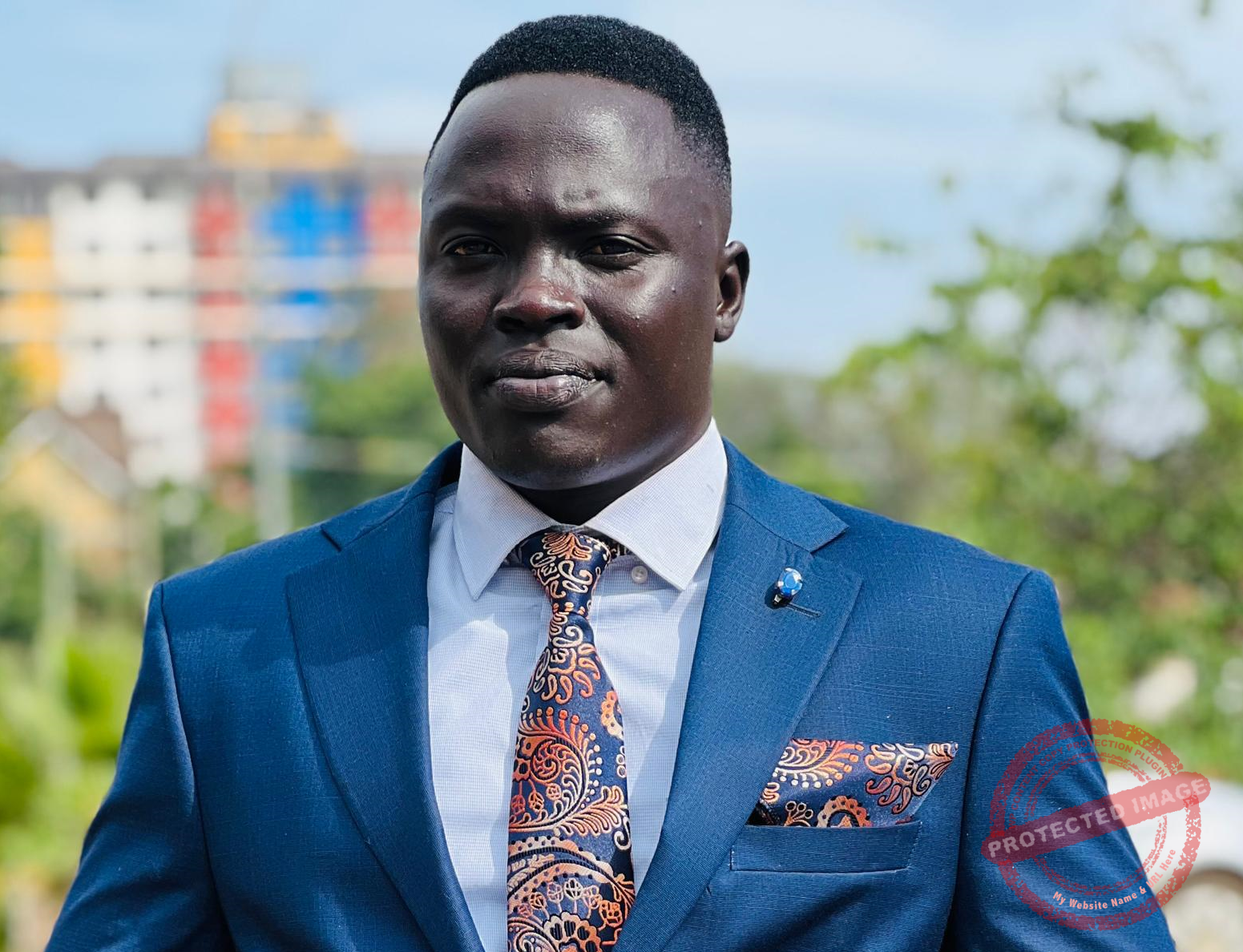
The writer is a Mastercard Scholar at United States International University-Africa, Nairobi-Kenya and can be reached via Malekaugust0@gmail.com
The views expressed in this article are those of the author and do not necessarily reflect the official positions or policies of Eye Radio. This article is intended to provide personal insights and opinions based on the author’s perspective and experience. Readers should consider these viewpoints as one of many perspectives on the topic and consult additional sources for a well-rounded understanding.