
UNICEF delivers 50 tonnes of Ebola medical supplies to South Sudan
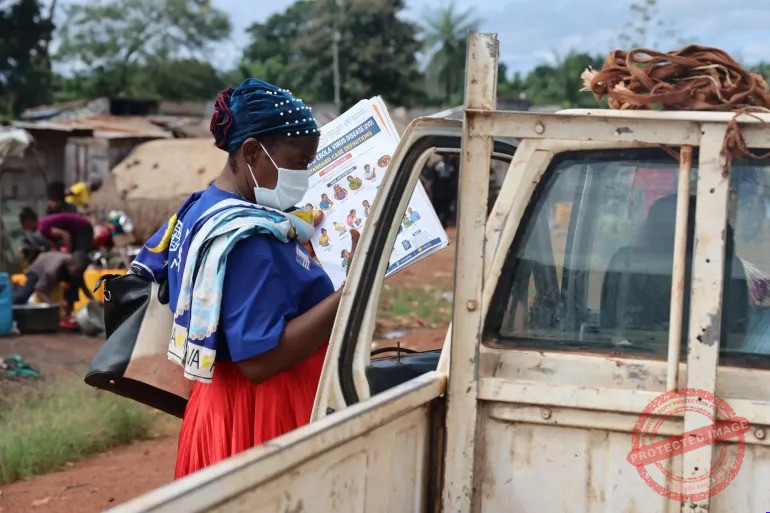
UNICEF says it has delivered more than 50 metric tonnes of medical supplies to South Sudan to strengthen the country’s preparedness for a possible Ebola outbreak.
The delivery comes amid reported outbreaks of Bundibugyo Virus Disease, a rare strain of Ebola, in neighbouring countries, particularly the Democratic Republic of Congo.
South Sudan has not reported any cases of the disease, but health authorities and humanitarian partners are stepping up preparedness measures.
In a statement published on its website, UNICEF said the supplies include protective equipment for health workers and materials to prevent and control infections in health facilities and communities.
Dr Douglas Noble, UNICEF’s Global Lead for Public Health Emergencies, said the agency was expanding preparedness activities in priority counties to help prevent and respond to possible cases.
He said UNICEF and its partners had conducted simulation exercises but that further work was needed to address remaining gaps.
“A great deal of important BVD preparedness work has been undertaken by UNICEF, WHO, Africa CDC and partners in support of the Government. The recent simulation exercise was an important step forward. The priority now must be to address remaining gaps in the days and weeks ahead.”
The agency is also training health workers, rapid response teams, religious leaders and community members to recognise symptoms, prevent infections and refer suspected cases for early medical attention.
Meanwhile, UNICEF’s Representative in South Sudan, Noala Skinner, said more investment was needed to strengthen disease surveillance, prepare health facilities and maintain supplies of essential medical materials.
She said previous Ebola outbreaks had shown that early preparation was critical to controlling the disease.
Skinner also called for increased government investment in social services, including the timely payment of workers’ salaries, to support preparedness and any potential response.
She warned that displacement, flooding, food insecurity and recurring disease outbreaks were already placing pressure on essential services and increasing public health risks.
According to UNICEF, more than 10,000 people had been infected with Bundibugyo Virus Disease in the Democratic Republic of Congo as of November 1, with more than 5,000 deaths reported.
Children account for about one in four reported infections and one in three deaths, the agency said.
Bundibugyo is a rare strain of Ebola for which there is currently no specific approved treatment, although trials are under way to identify effective medicines and vaccines.