“You sit in Juba with big bellies while we suffer” – Ikwotos woman blasts leaders over poor social services
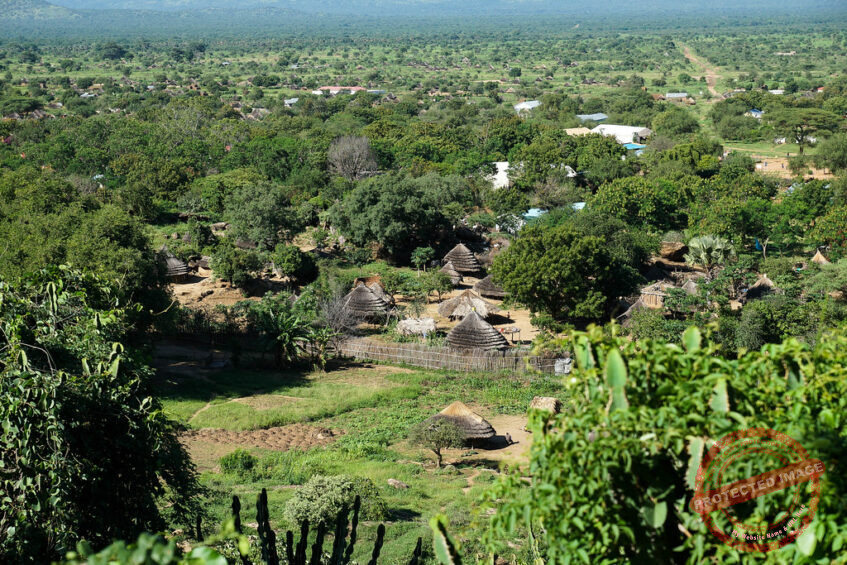
A woman in Ikwotos County, Eastern Equatoria State, has challenged political leaders she says “sit in Juba with big bellies” while residents continue to face poor public services and what she describes as years of neglect.
The woman, identified as Susan, not her real name, spoke during a public gathering in Ikwotos, where she questioned why politicians return to the community during election periods to seek votes despite what she says is a lack of development.
“Ikwotos was the baseline for everyone during the struggle. If Dr. Garang had not died, I am sure he would have developed this place. During the liberation struggle, it accommodated people from Torit and even Juba. Why turn your backs on us now that it is election time and ask us to vote? People here died, yet no one thinks about them,” she questioned.
Susan cited poor roads, inadequate basic services and the deaths of children among the challenges facing residents.
She also pointed to Ikwotos’ role during the liberation struggle, saying the area made significant sacrifices but has not received development in return.
Susan further questioned why leaders who, according to her, rarely visit the community outside election periods are now asking residents to vote for them.
“Our roads are impassable, and our children are dying like chickens. No one from Torit or Juba comes to rescue us. You sit in Juba with big bellies while we suffer. Does that make sense? It does not make sense at all,” she said.
Her remarks drew applause from members of the gathering.
Ikwotos County experienced significant disruption during South Sudan’s civil wars, with fighting and displacement affecting the wider Eastern Equatoria region.
Historical accounts also document the presence and movement of SPLA forces and civilians through the area during the second Sudanese civil war.
Susan wants political leaders to explain what residents can point to today as evidence of their commitment to Ikwotos.