





Standards Bureau laboratory to resume operations after years of inactivity
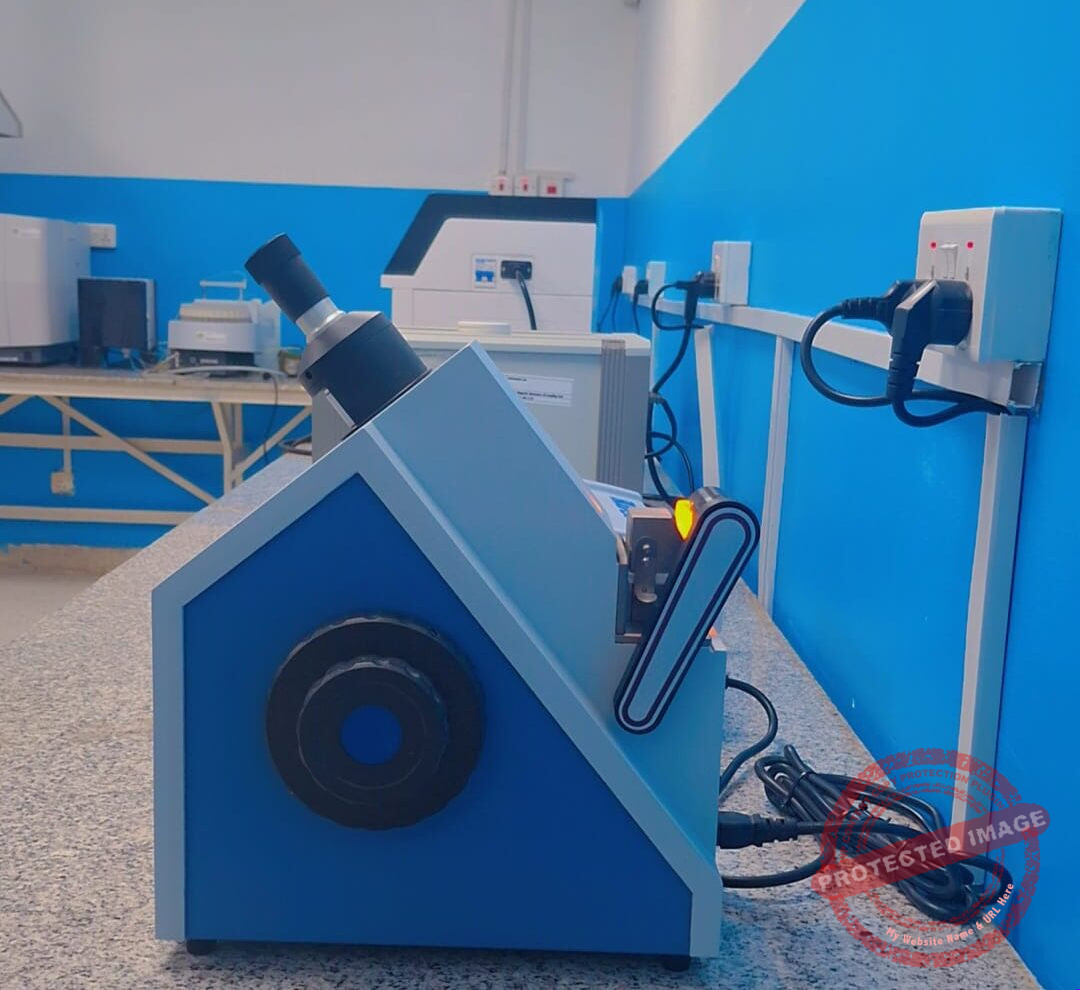
The National Bureau of Standards says its central laboratory will resume operations tomorrow after nine years of inactivity due to a lack of equipment and necessary repairs.
The laboratory has reportedly been non-operational since 2017.
The facility tests and certifies the quality and safety of imported and locally manufactured food, consumer goods and other products.
Speaking to journalists in Juba this morning, Central Laboratory Director Wilson Wani Leju said the facility is expected to resume full operations tomorrow after years of poor conditions.
“For years, the laboratory was in poor condition. We have now completed the renovation and installed the necessary signage, so it is ready for testing. In 2017, we received equipment from Trademark East Africa.
“Some of it was not working, but it has since been repaired, and all but one item is now operational. The remaining item needs repair. We have also recently received equipment from the FAO and installed it,” Leju said.
Leju said most of the donated equipment and technical support came from Trademark East Africa and the UN Food and Agriculture Organization, FAO.
The equipment is intended for use in the Chemistry, Microbiology, Mechanical Metrology, Paper and Textile laboratories at the National Central Laboratory.
“Our technicians are currently working with colleagues from the meteorology laboratory to commission it. The microbiology laboratory is fully operational, with no major obstacles. In the chemistry laboratory, some equipment is still being commissioned. We expect to begin full operations tomorrow,” he said.
Leju warned that inadequate testing equipment could allow harmful substances in food and other products to go undetected, potentially putting consumers’ health at risk.
“Previously, we didn’t test for heavy metals such as arsenic, mercury, and lead. Now, we can test for pesticides and measure substances like caffeine in soft drinks and coffee. If harmful contaminants are present in products and go undetected, they may pose health risks, including cancer, even if the effects don’t appear immediately,” he explained.
“We also test cereals for aflatoxins. In the past, testing may have measured only total aflatoxins; now, it identifies specific types, such as B1, B2, and M1,” he added.
Wani stressed that the bureau still lacks adequate advanced testing equipment to detect harmful substances, poisons and chemical additives in some parts of the country.